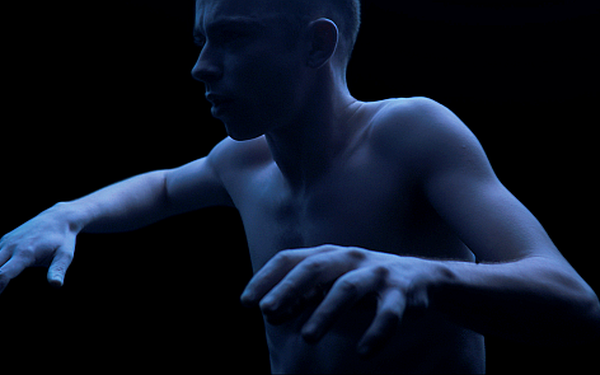
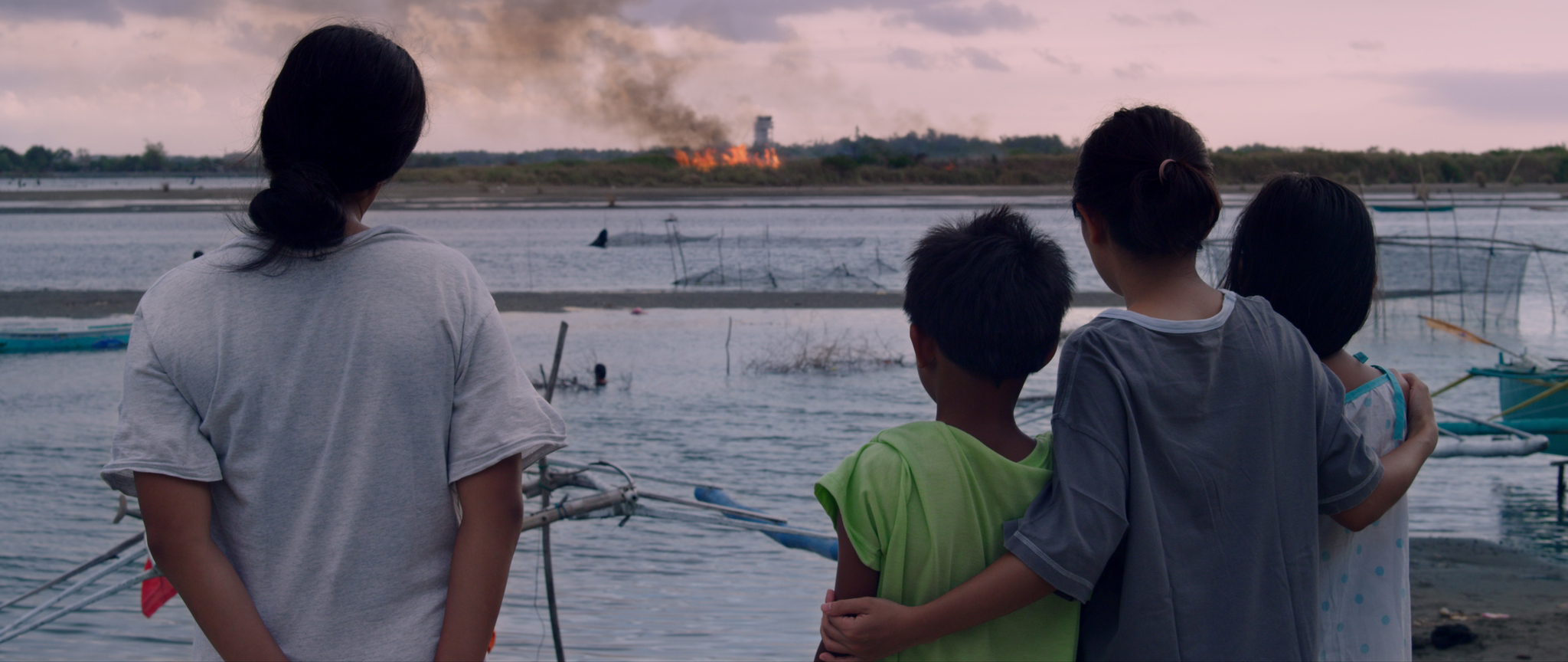
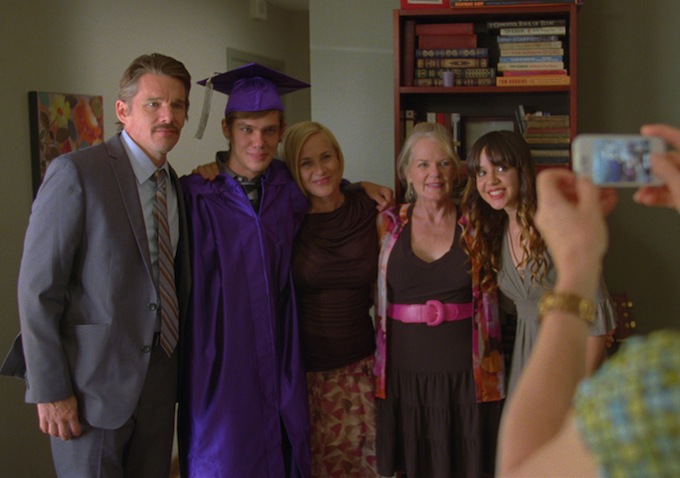
Top 100 Films of the Decade, pt. 1 (#100 - #76): A Contest

Okay, if Pitchfork can do it with albums, I can do it with movies. Now that the decade is half over, I will be posting a countdown of my top 100 favorite films (in order of preference) that received their world premieres between January 1, 2010, and December 31, 2014. The list will be spread across four blog posts. I will be posting 25 titles per day, each accompanied by an image, over the course of the next four days — culminating in my posting capsule reviews of the top 25 movies on Tuesday.

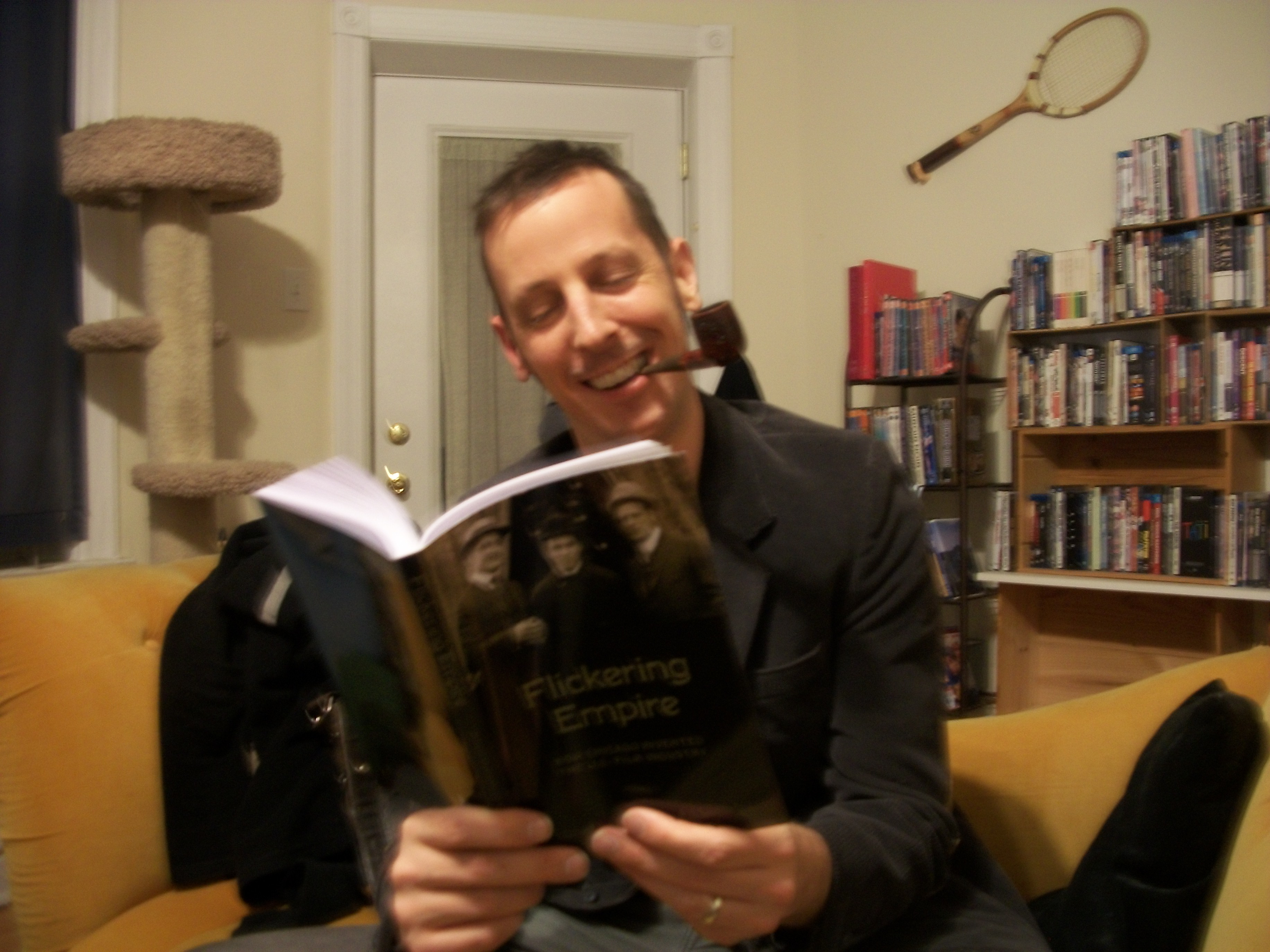
This is also White City Cinema’s first official contest. Here’s how it works: you count up the number of films you’ve seen and post that number as a response to each of the four lists. On Monday, I will calculate who’s seen the most movies out of the top 100. The person who comes in first wins both a copy of my book Flickering Empire: How Chicago Invented the U.S. Film Industry as well as dinner and a film on me (airfare to Chicago not included). The first runner-up will also receive a copy of Flickering Empire. Good luck!

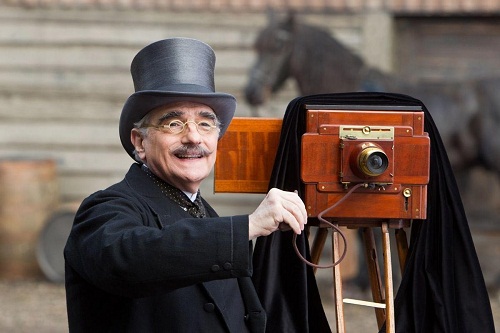
100. Hugo (Scorsese, USA, 2011) - 8.1

hugo

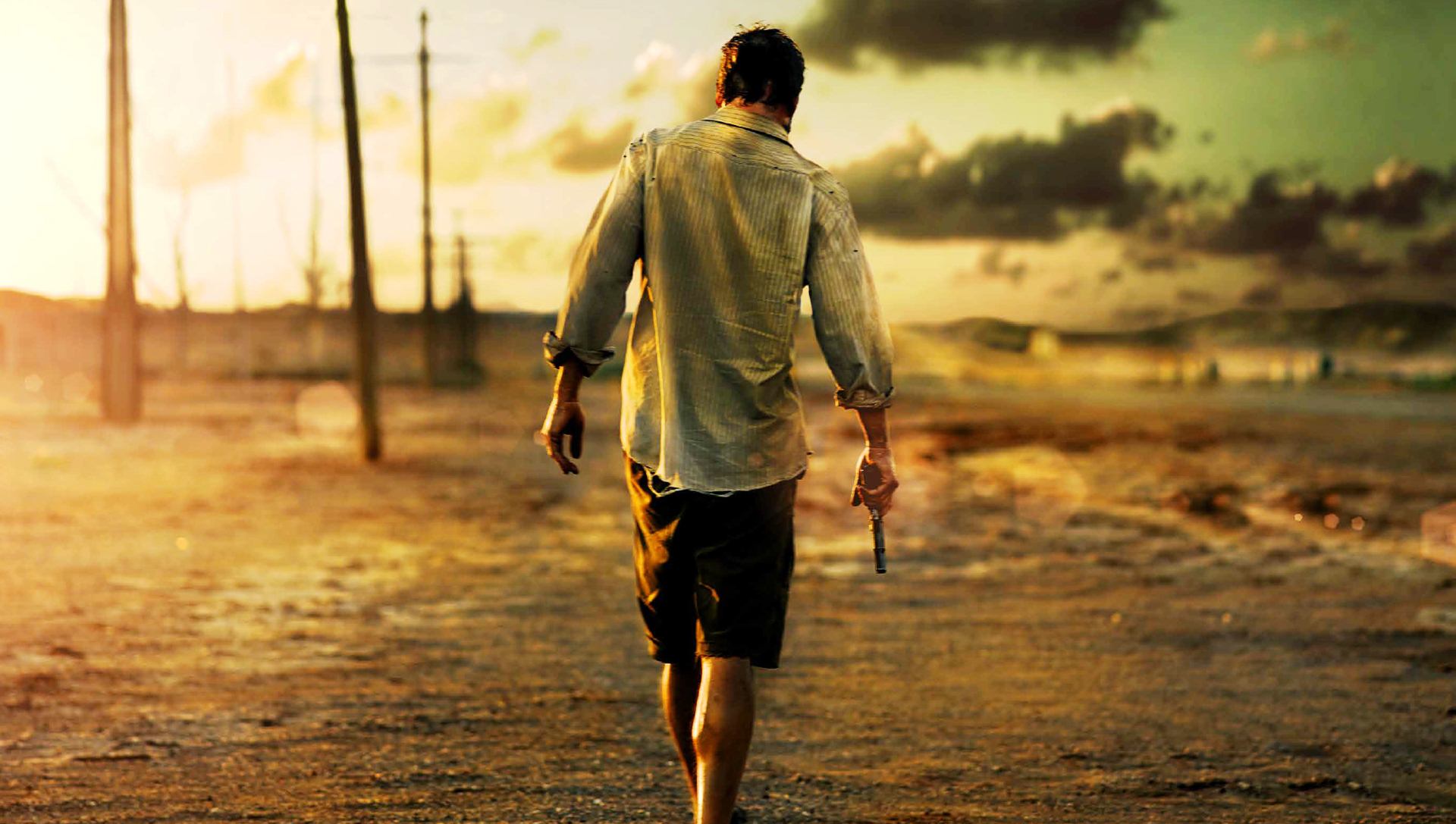
99. The Rover (Michod, Australia, 2014) - 8.1

rover

98. Marley (Macdonald, USA/UK, 2012) - 8.1

Marley-1

97. We are the Best! (Moodysson, Sweden, 2013) – 8.2

wearethebest

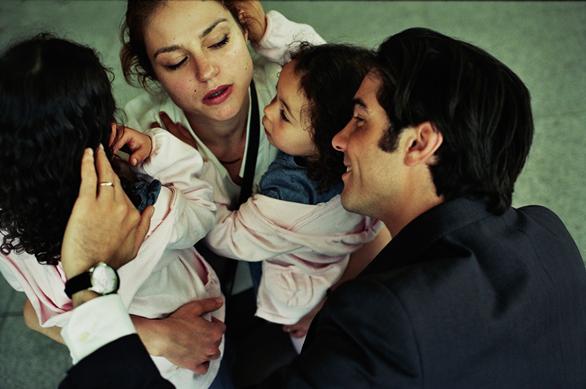
96. Our Children (Lafosse, Belgium, 2012) - 8.2

ourchildren

95. Oslo, August 31st (Trier, Norway, 2011) - 8.2

Oslo

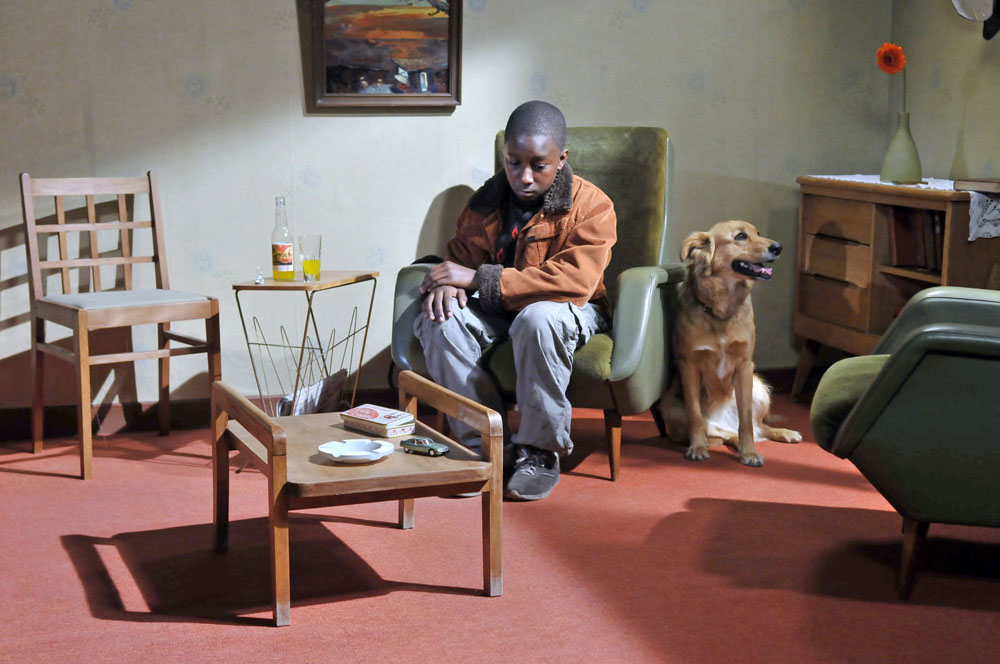
94. Le Havre (Kaurismaki, France/Finland, 2011) - 8.2

havre

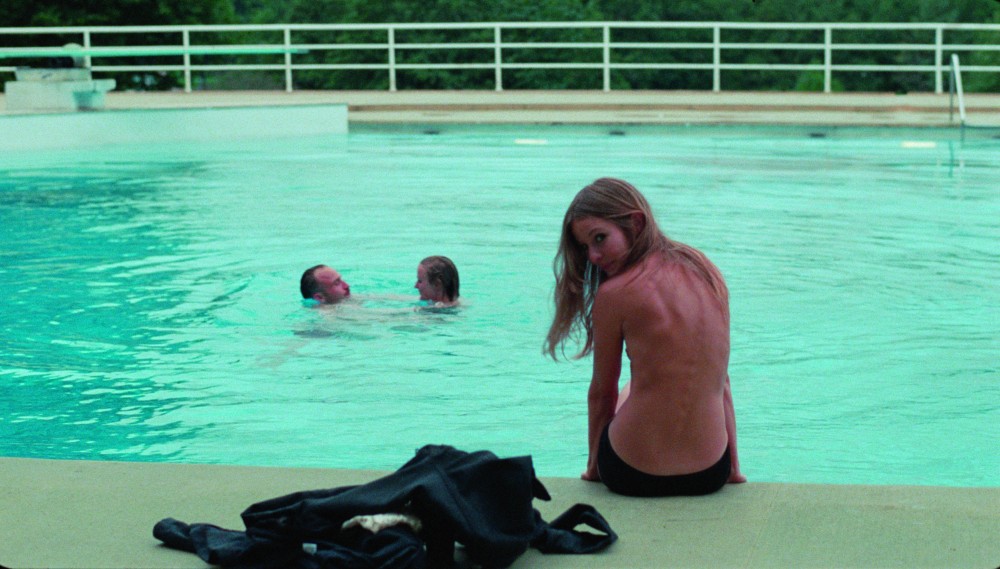
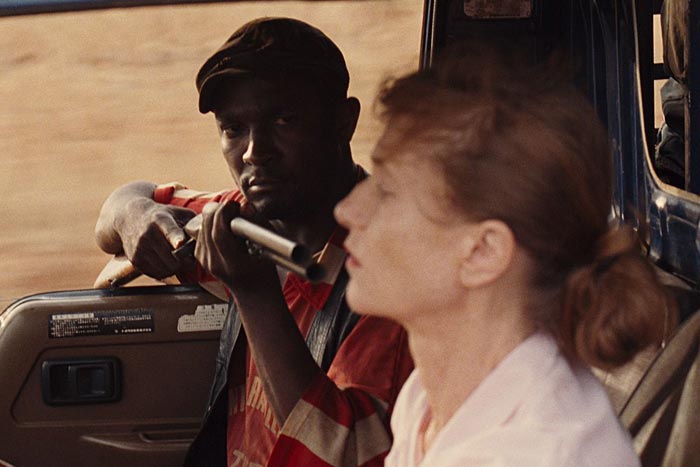
93. White Material (Denis, France/Cameroon, 2010) - 8.2

re1262

92. Laurence Anyways (Dolan, Canada, 2012) - 8.2

laurence

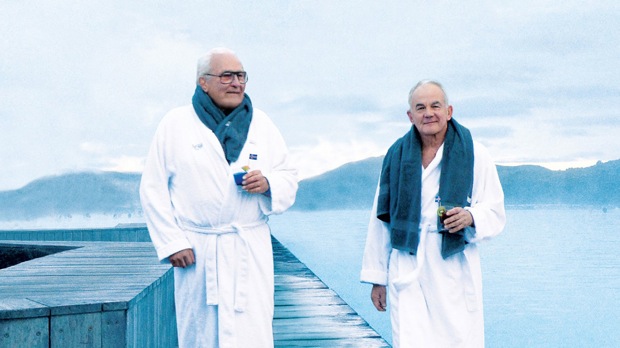
91. Land Ho! (Katz/Stephens, USA/Iceland, 2014) - 8.2

landho

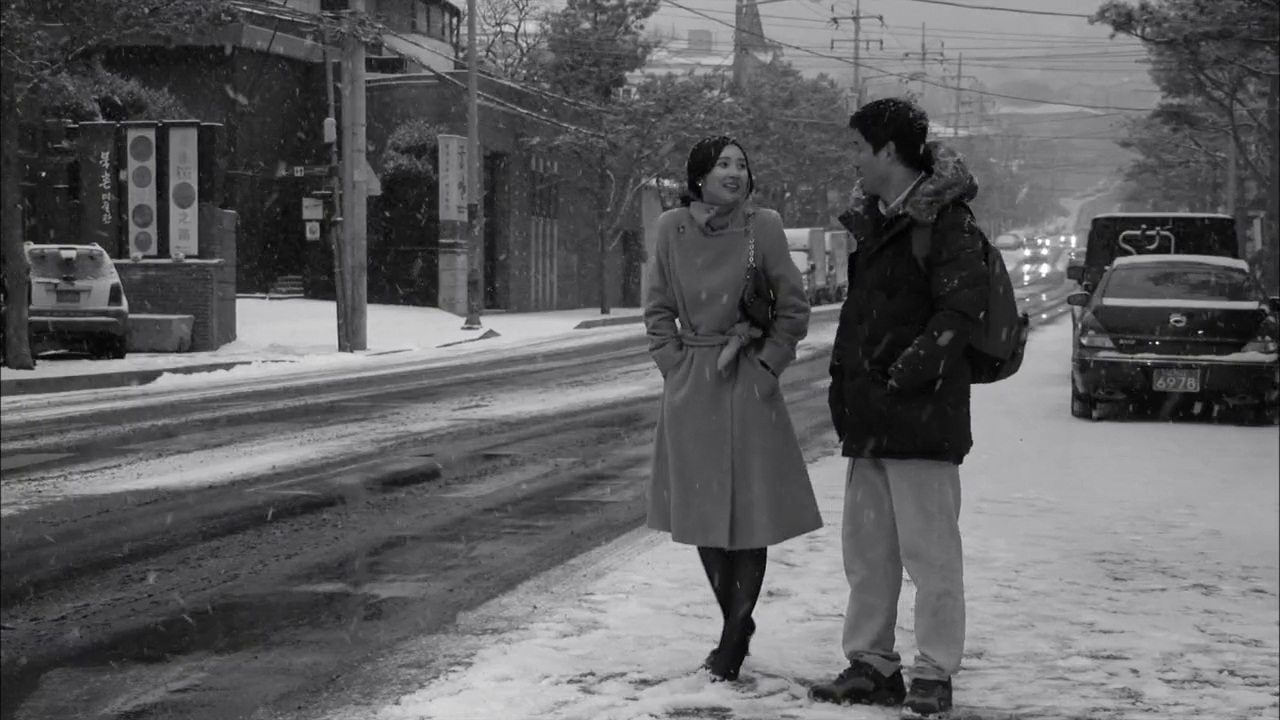
90. The Day He Arrives (Hong, S. Korea, 2011) - 8.2

day

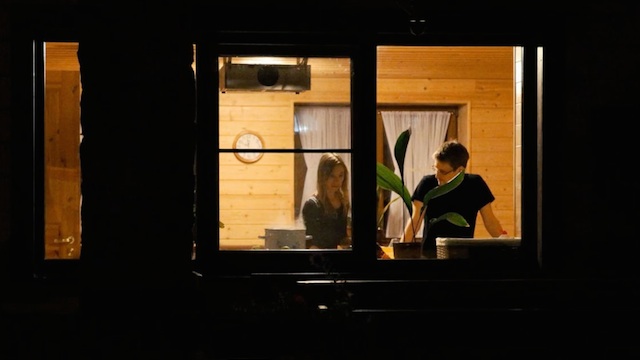
89. Citizenfour (Poitras, USA/Germany, 2014) - 8.3

Citizenfour

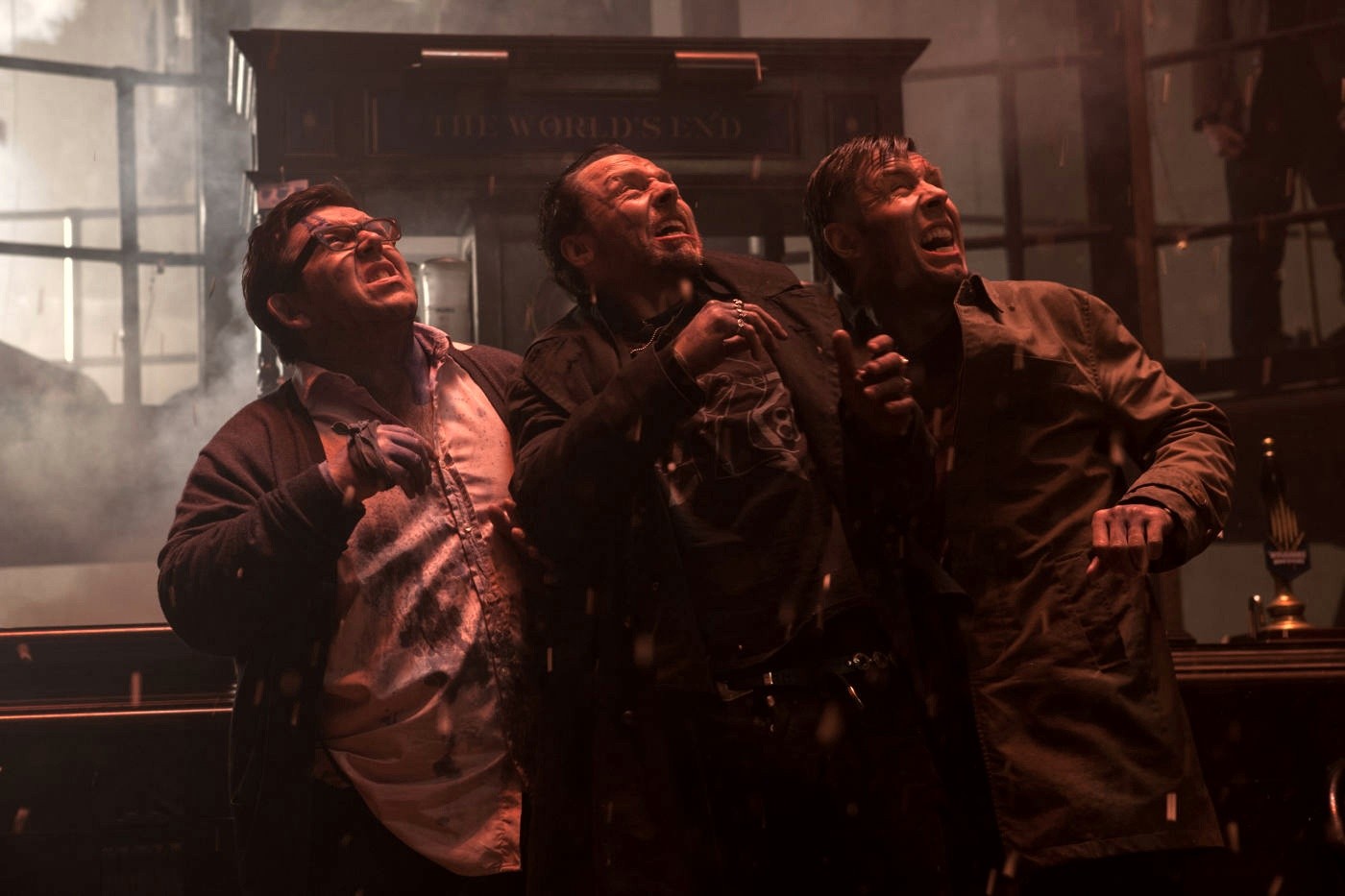
88. The World’s End (Wright, UK, 2013) – 8.3

theworldsend

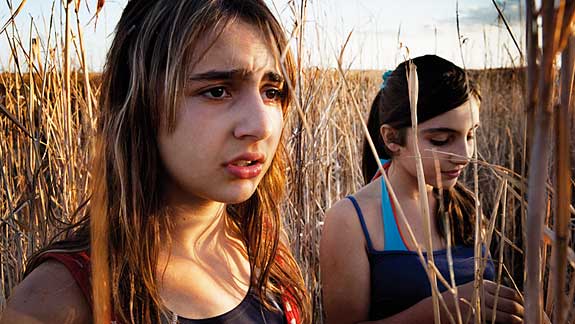
87. Pretty Butterflies (Mereu, Italy, 2012) - 8.3

pretty

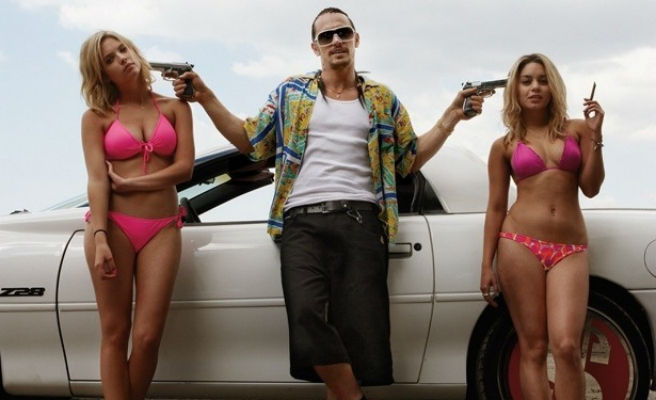
86. Spring Breakers (Korine, USA, 2012) - 8.3

spring

85. Viola (Pineiro, Argentina, 2012) - 8.3

Viola-de-Matias-Pineiro

84. Prometheus (Scott, USA, 2012) - 8.3

prom

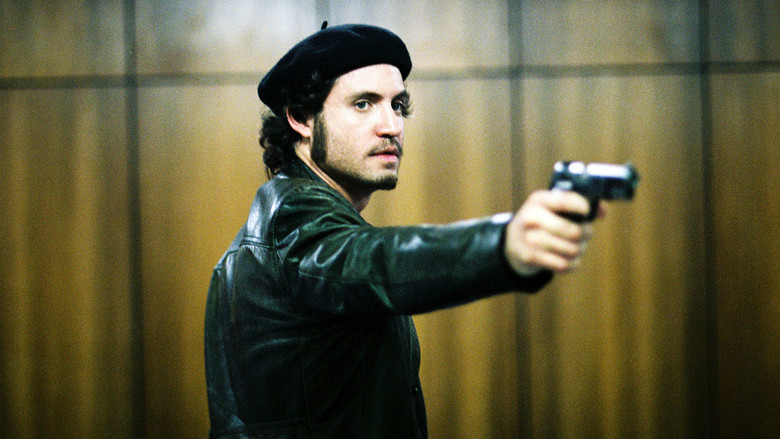
83. Carlos (Assayas, France, 2010) - 8.3

carlos

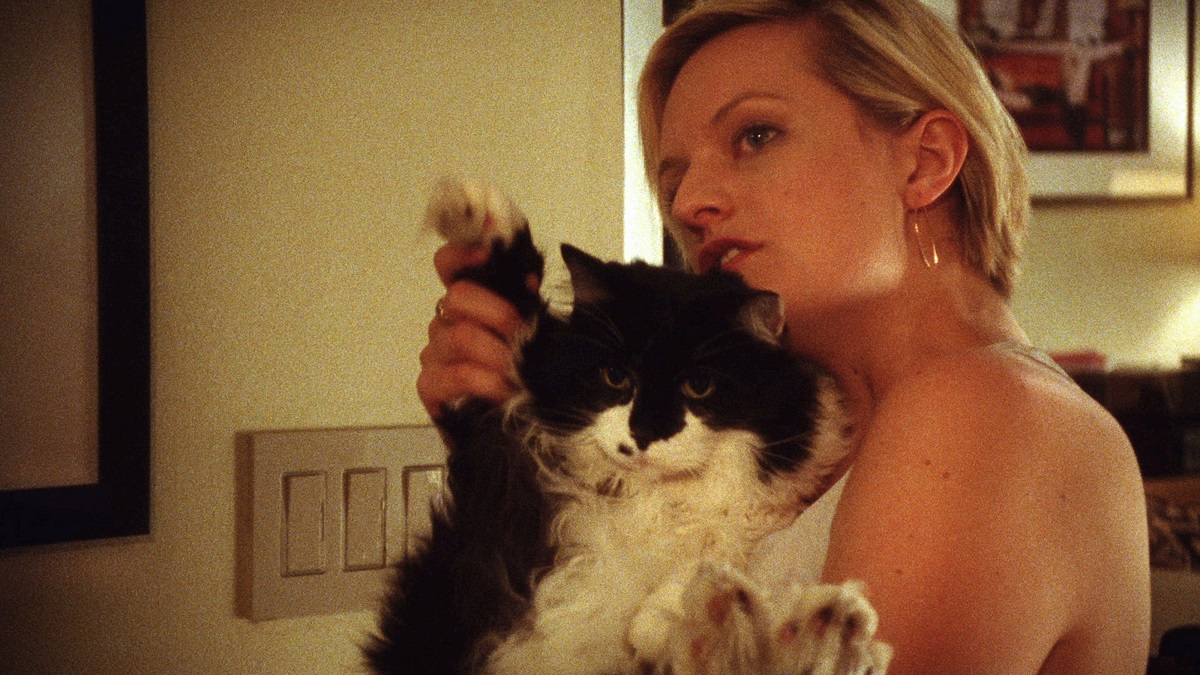
82. Listen Up Philip (Perry, USA, 2014) - 8.4

listen-up-philip

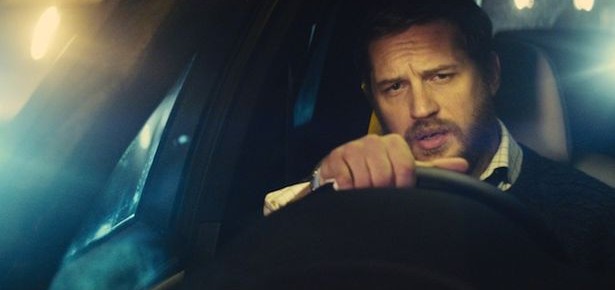
81. Locke (Knight, UK, 2013) - 8.4

locke

80. Snowpiercer (Bong, S. Korea, 2013) - 8.4

snow

79. The Iron Ministry (Sniadecki, USA/China, 2014) - 8.4

iron

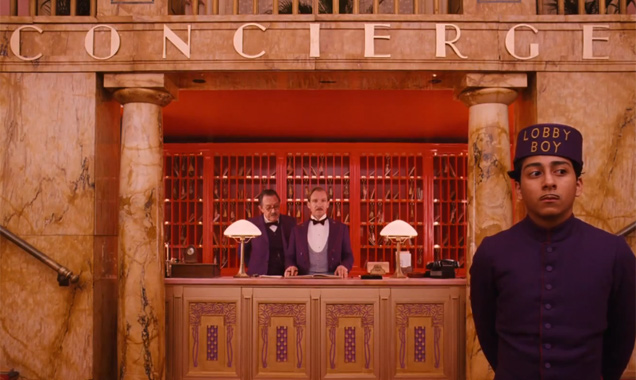
78. The Grand Budapest Hotel (Anderson, USA, 2014) - 8.4

budapest

77. Bird People (Ferran, France, 2014) - 8.4

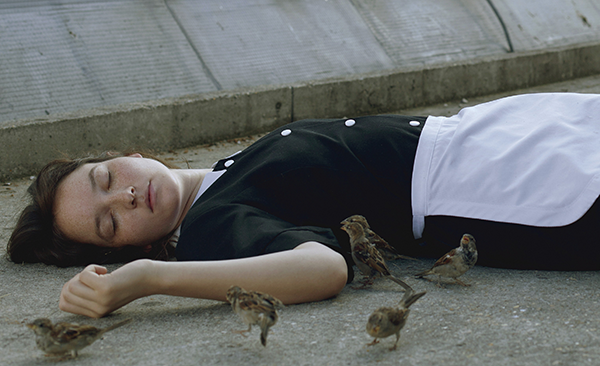
birdpeople

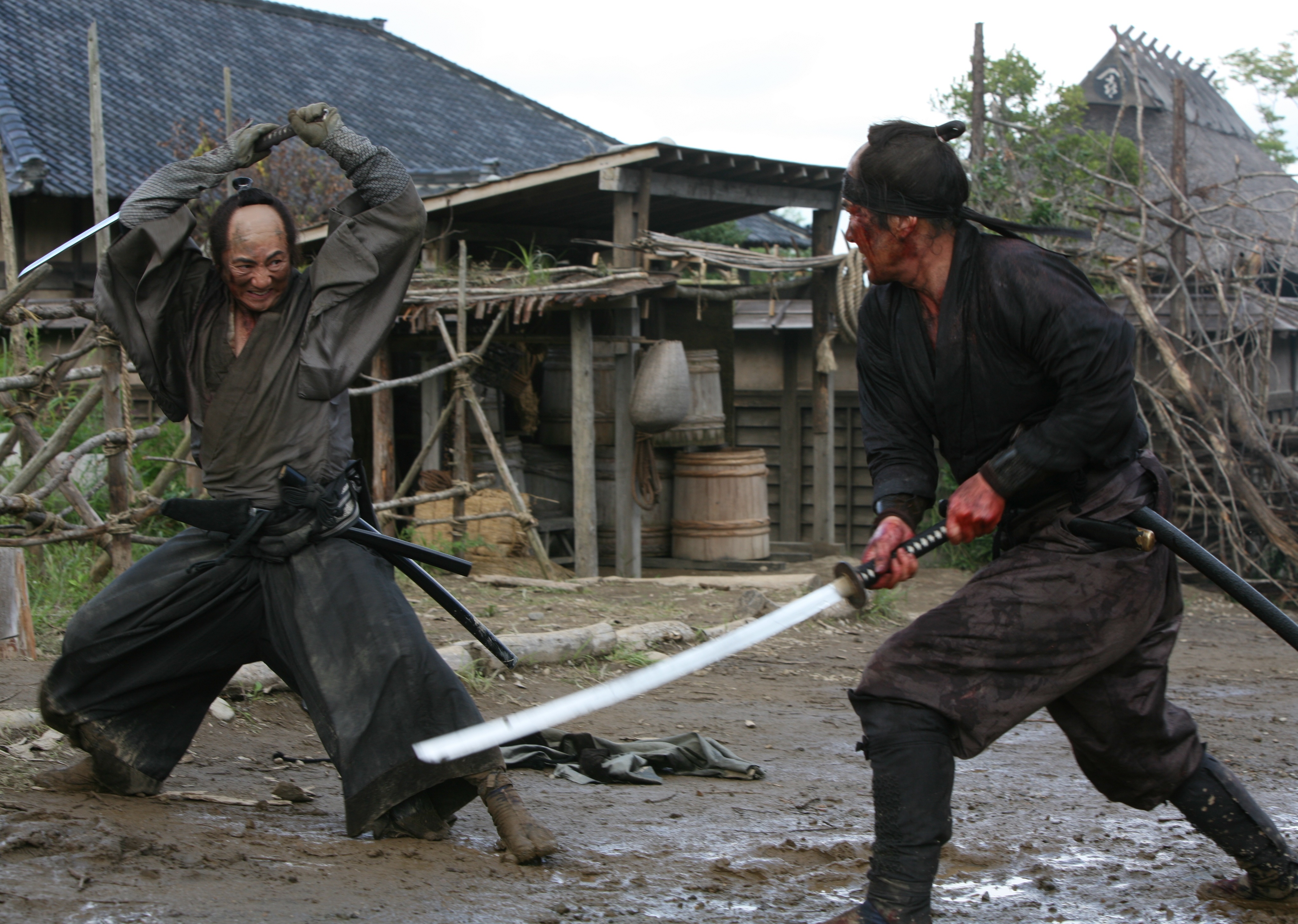
76. 13 Assassins (Miike, Japan, 2010) - 8.4

13-assassins

To be continued tomorrow . . .


Talking Flickering Empire on WGN / New Pieces at Cine-File and Time Out Chicago

My book Flickering Empire is in stock at amazon.com and is now shipping. On Tuesday night, January 20, I will be appearing with my co-author Adam Selzer on WGN Radio’s “Pretty Late with Patti Vasquez” to talk it up. For those of you in the greater Chicago area, you can hear it by tuning your radio dial to 720 AM between 11pm and 2am.

I will also be celebrating the book’s release by running a little contest right here at White City Cinema. Over the next four days I will be posting a list of my top 100 favorite films of the past five years. I’ll be asking readers to respond by telling me how many of those films they’ve seen. The two responders who have seen the most titles on the list will each win a copy of the book. Stay tuned for more info.

mgs

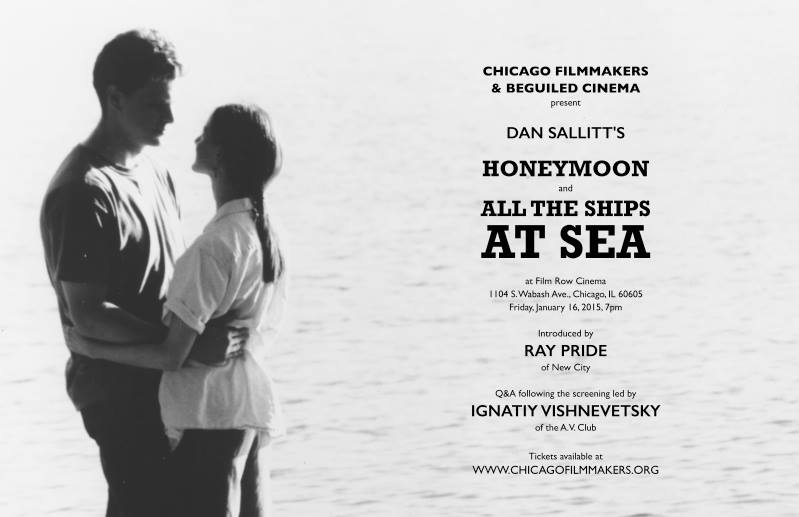
In other news, I interview Ben and Kat Sachs for Time Out Chicago. Read these erudite folks talking about the philosophy behind their programming banner, Beguiled Cinema, and about the unique filmmaking style of Dan Sallitt (whose work they are presenting at Film Row Cinema tonight):

http://www.timeout.com/chicago/blog/interview-ben-and-kat-sachs-of-beguiled-cinema

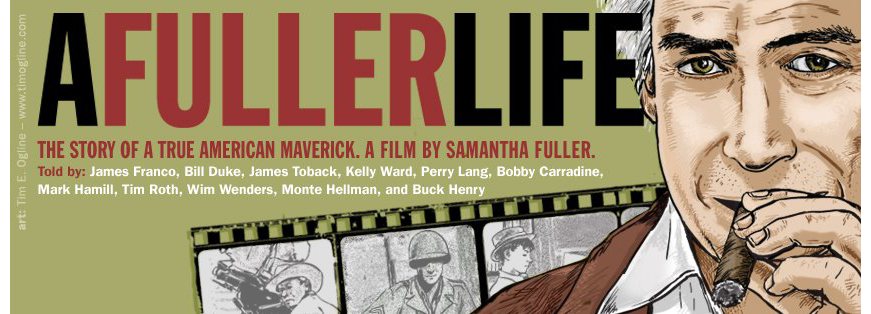
I also have four new reviews at Cine-File: I call Jean-Luc Godard’s Goodbye to Language and the double feature of Sallitt’s Honeymoon and All the Ships at Sea “Crucial Viewing,” and I recommend Ruben Ostlund’s Force Majeure and Samantha Fuller’s A Fuller Life. You can read my capsule reviews for each (and find info pertaining to venues and showtimes) here:

http://cine-file.info/list-archive/2015/JAN-15-2.html


My New Film Blog at Time Out Chicago and Other News

timeout

I am excited to announce that I have been asked to write a film blog for Time Out Chicago. I will typically be writing one short article per week related to Chicago’s local film scene. My first post, about the innovative “Facets Kids App” (for which you may remember I directed the official Kickstarter video last October), went up today. You can read it here:

http://www.timeout.com/chicago/blog/facets-releases-app-for-childrens-movies

Tomorrow morning, Time Out will also be posting an interview I conducted with local critics Ben and Kat Sachs about their Beguiled Cinema programming endeavor, which will play host to a double-feature screening of films by Dan Sallitt at Colubmia College’s Film Row Cinema tomorrow night. All of the info you need pertaining to the screening will be in Time Out tomorrow but, as this event should be considered unmissable for local cinephiles (it is a rare chance to see the work of an unheralded master of independent American cinema on the big screen), I thought I should give you a heads up today. My reviews for the Sallitt films in question (1998’s Honeymoon and 2004’s All the Ships at Sea) will also appear tomorrow at Cine-File.info.

You can buy tickets for the Dan Sallitt double feature here: http://chicagofilmmakers.tix.com/Event.aspx?EventCode=709982

Check out the awesome official event poster by PJ Macklin:

10906407_10152964726024757_2117996522748124687_n


The Last Ten Movies I Saw

1. Inherent Vice (Anderson)
2. All the Ships at Sea (Sallitt)
3. Honeymoon (Sallitt)
4. Leviathan (Zyagintsev)
5. One More River (Whale)
6. Rare Exports: A Christmas Tale (Helander)
7. Inherent Vice (Anderson)
8. The Impatient Maiden (Whale)
9. Permanent Vacation (Jarmusch)
10. Goodbye to Language (Godard)


Filmmaker Interview: Samantha Fuller

Samantha Fuller, daughter of maverick American filmmaker Samuel Fuller, makes an exceedingly promising directorial debut of her own with A Fuller Life, a fittingly unconventional documentary portrait of her father. I interviewed her via e-mail in advance of its Chicago premiere this weekend (it will screen at the Gene Siskel Film Center on Saturday, January 17 at 6:45 and Monday, January 19 at 6:00). My review of the film will appear soon either on this website or in Cine-File Chicago but let me just say for now that A Fuller Life is both a must for Fuller fans and an ideal introduction to his work for the uninitiated. You can find more info about the screenings on the Siskel Center’s website.

fullerfooter

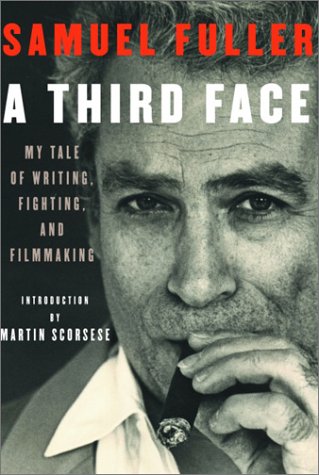
MGS: I know you conceived this film as a way of celebrating your father’s 100th birthday. I’m curious about your choice of only having the subjects read excerpts from his autobiography, A Third Face. How did you arrive at the decision to create the film in this unique way and did you ever consider making a more traditional documentary (i.e., with conventional interview segments)?

SF: Yes, the film was intended as a centennial celebration of my father’s life. See, as a child, he had always told me that we would have a big party when he turned 100, and I took him up on that. It didn’t matter that his body wasn’t present, since his spirit never left us. By having our guest readers speak his words, it served as a vehicle to bring his voice back to life. In this way, he felt very present during the entire process. My father’s films were quite unconventional, so there was no way I was going to make a conventional documentary about him. The film was entirely shot in his office. A place humorously called “the shack,” where nothing much has changed since his death in 1997. The participants loved that idea and read parts of his autobiography surrounded by rows of his favorite books, stacked scripts, film memorabilia, his beloved typewriter and of course a big fat cigar placed at their side. The actors were interviewed after reading their segment. The interviews will be featured on the DVD supplements.

MGS: How did you decide which segments from A Third Face to use? Also, did the subjects have any choice in which excerpts they read or did you assign the texts to the readers?

SF: I wanted to tell my father’s story chronologically, respecting the flow of his autobiography. The film is intended to reflect on his gusty life, brimming with multiple hard-hitting stories. It wasn’t easy deciding which segments to use, since every one is a good story in itself. I chose the ones that would give a sense of the life he lead. In the case that the audience is left wanting more, they can always pick up A Third Face and enjoy a real page turner. A Fuller Life is basically structured in three parts: the first section leads us through his youth, and his time as a young crime/freelance reporter. The second part describes his experience on the front lines of the Infantry during WWII, and how he survived major battles in North Africa, Sicily and D-Day. We witness the liberation of the Falkenau camps in Czechoslovakia through his words and his camera lens. The third, focuses on his career in Hollywood and how he successfully managed to combine work and family. The passages were assigned in a way that I trusted the readers would relate to most. Not once did any of them question my choice since I believe that they were indeed connected to the part of the story that they were telling.

thirdface

MGS: One of the things I loved about the use of different narrators was how they all delivered your father’s prose in a different style, which made the film very dynamic. Each segment was like a different song on a beautifully constructed mix-tape: some of the readers were matter-of-fact while others, notably Bill Duke, were incredibly dramatic. It was also very refreshing to hear a couple of female voices in the mix (Jennifer Beals and Constance Towers). Was there much rehearsal and/or discussion beforehand about how the texts would be read?

SF: Thank you for using the word dynamic in your question, since that was indeed what I was aiming for. Once again, in the spirit of my father’s films, which were always loaded with TNT in a certain form. Bill Duke happened to be the first one to read, and his performance was striking. He really is the one who channeled my father’s delivery most. After him, I thought that we better tone the other readers down, in order not to turn the film into a Sam impersonation film. I asked the rest of the readers to channel my father in a more subtle way, a talent that they were able to provide. The shoot was mostly in one or two takes, it was quick and to the point. Nobody had to memorize the text since they had it in front of them while filming. My father loved powerful female characters, so it felt natural to include a couple strong women in the mix.

MGS: Perhaps the most tantalizing aspect of the film was the use of documentary and home-movie footage that your father shot himself. The home movie scenes were playful and poignant but the WWII footage (especially from the concentration camp) was harrowing. What are your plans for the rest of the “100 reels of 16mm film” that you describe uncovering in the prologue?

SF: I digitized approximately three hours of footage that my father shot on his 16mm Bell & Howell camera. Some great home movies, but mostly film from the European liberation after D-Day. Only ten minutes were utilized in A Fuller Life, which leaves plenty material to make another documentary, which I’m currently working on. This time, the film will solely target WWII. I also have over 200 letters that my father wrote to his family during that time. Highlights from his correspondence will be included in the film. The structure will be similar to A Fuller Life in the sense that an actor will be reading excerpts from the letters, his voice will be heard over the images.

fuller

MGS: I’ve shown your father’s films in my Intro to Film classes and they’ve always gotten a very positive response (even though most of my students are unfamiliar with his life and work). If you had to pick a single film to use to introduce young people to the films of Sam Fuller, what would it be and why?

SF: I’m glad to hear that you are showing Fuller films in your class. There is so much to learn from them! The fact that most of his films were made with small budgets and tight schedules is encouraging to fellow filmmakers to go out and tell their stories. It’s difficult for me to pick a single film of his since I love them all, almost comparably to how one would love their siblings. But if I really had to pick just one that would introduce a new audience to his films and life, it would be the restored long version of The Big Red One. That is an autobiographical film about his experience as a Dogface in the U.S. Infantry during WWII. Sadly, he was never able to enjoy the release of the long version since it was completed after his death. Nonetheless, it is the version he had wished for, and it stayed true to his vision according to the script. The film deals with his grueling years in the army, yet is is layered with humor and emphases the absurdity of war. His character is named Zab, not Sam. Actually, there is a part of him dispersed into every character. It is his most personal film.

You can check out the trailer to
A Fuller Life via YouTube below:


Goodbye to Language as Narrative / A Girl Walks Home Alone at Night

GTL_Glasses

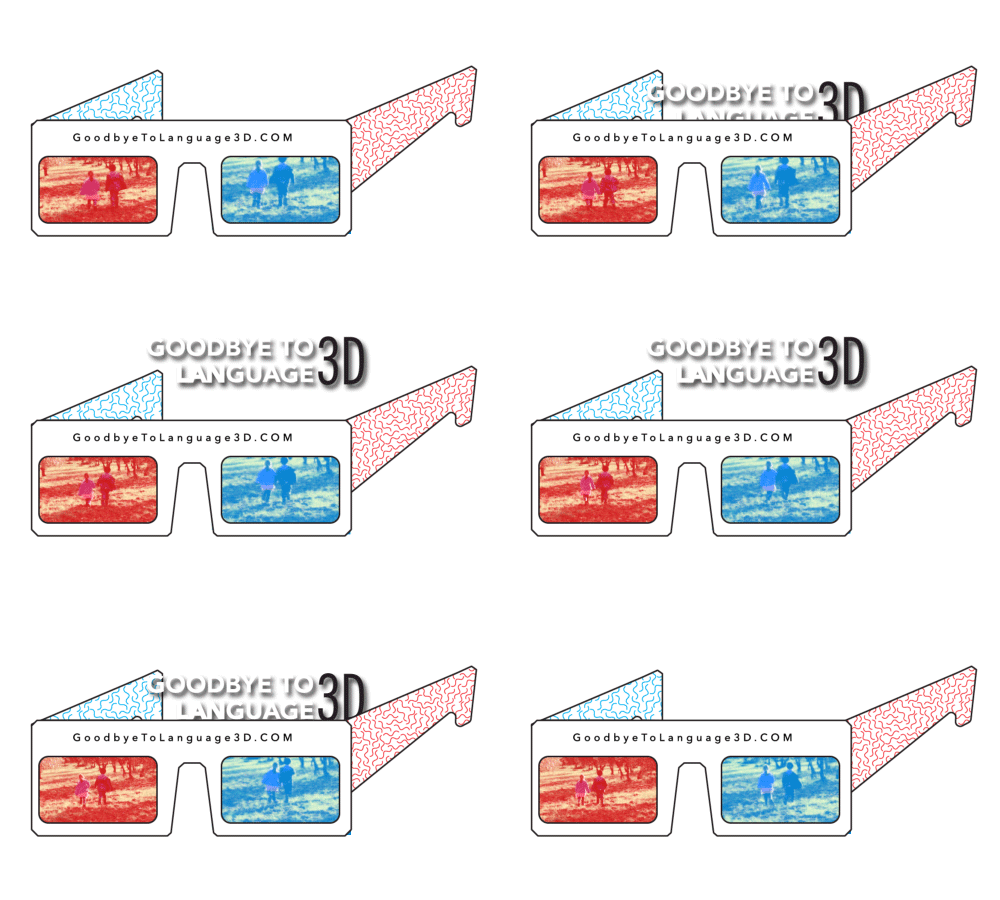
I was fortunate to see two press screenings of Jean-Luc Godard’s Goodbye to Language in 3D this week in advance of the review I’m writing for Cine-File. Including the screening I caught in Wisconsin last year, this means that I’ve now seen the film three times from three different perspectives: the front row, the back row and the middle row of the theater. (Each position has its advantages but I recommend sitting as far back as possible on a first viewing — the better to “take it all in.”) I also feel that, after three viewings, I have a much better handle on what Godard is doing with this movie than when I first wrote about it in November; although Goodbye to Language is loose and wild and full of intellectual provocations and poetic flights of fancy — and it is absolutely possible to enjoy the film purely by grooving on Godard’s audacious and experimental use of image and sound — I should also point out that it does tell something of a story, one that is artfully chopped up and sprinkled across the 70-minute running time along with all of the fragmented poetic and philosophical ruminations. Many critics writing about the movie, aided no doubt by the cryptic synopsis written by Godard for the press kit, have pointed out that it’s about “a man and a woman” fighting. A closer look at the film reveals that it’s actually about two different couples who happen to look and act very much alike and who paradoxically may be two versions of the same couple. I think Godard’s idea here is to offer a portrait of a male/female relationship as a metaphor for 3D cinema, or perhaps it’s the other way around — that he’s using the 3D image, which consists, of course, of two separate images captured by two cameras placed side by side, as a metaphor for male/female relationships.

Goodbye to Language is divided into two alternating sections: “Nature” and “Metaphor.” Every time the number “1” appears as a title card onscreen (the “Nature” section), it is followed by scenes depicting the relationship of characters named Josette and Gedeon. Every time the number “2” appears as a title card onscreen, it is followed by scenes depicting the relationship of characters named Ivitch and Marcus. (First-time viewers looking to distinguish the characters may want to note that Josette has a scar above her upper lip and Ivitch doesn’t, while of the two men only Gedeon appears to be of Middle-Eastern origin.) Similarities abound: the women in both sections mention having ties to Africa where, they suggest, they were witness to some sort of political violence; both women are also married to a German man (perhaps the same man, who appears in only one scene); both couples can be seen conversing in the nude in a living room while clips from classic movies play on television in the background; and there are almost identical scenes of both men sitting on the toilet and talking to the women about equality. There is only one scene in which all four of these characters appear in the same location at the same time, a scene set at an outdoor book market. We see shots from this scene scattered throughout the movie, with the same action occasionally being repeated but captured from different vantage points. In this scene, the German husband appears brandishing a gun and angrily confronts Ivitch while she is conversing with her former teacher Mr. Davidson, a man who bears a strong resemblance to Godard. The husband then shoots someone offscreen. Although we see the victim lying face down in a pool of blood, we never get a clear look at his face. Did the husband shoot the “boyfriend?” If so, was it Gedeon, Marcus or somehow both men at the same time?

There is also a third section of Goodbye to Language, a kind of epilogue that begins with a title card reading “3D.” This brief section depicts the relationship between Jean-Luc Godard and Anne-Marie Mieville, whose voices are heard on the soundtrack but whose faces are not seen (although I have my suspicions that the old man’s hands that can be seen dipping a paintbrush into a tray of watercolors may be those of JLG). There is also an exceedingly lovely shot in this section of two empty chairs facing a television monitor displaying only static, which may be seen as a kind of “in absentia” self-portrait of Godard and his longtime companion and most important collaborator (Mieville did not co-direct this film, as she occasionally has with other Godard works in recent decades, but her name does appear in the closing credits among the honor roll of writers — alongside Faulkner, Artaud, Freud, et al — who are quoted throughout the movie). Is Godard perhaps saying that the images of this “third couple,” whose relationship has successfully endured for over 40 years, is somehow a synthesis of the images of the two unhappy couples we saw earlier? I think only their dog Roxy (the film’s true star) knows for sure, and he’s not telling, but I stick by my initial assertion that this is Godard’s most optimistic work in a long time. My Cine-File review will appear next Friday, the same day that Goodbye to Language opens at the Gene Siskel Film Center.

girl3_3

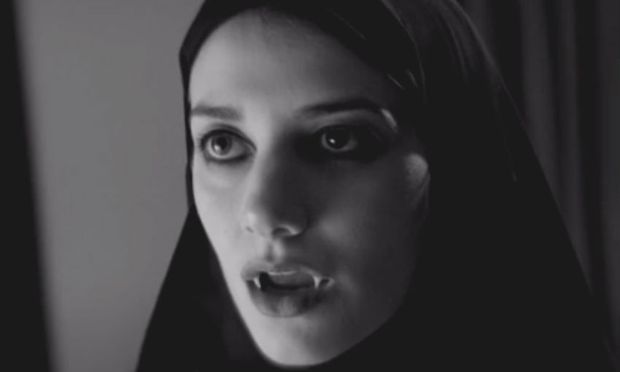
Speaking of Cine-File, my review of Ana Lily Amirpour’s misleadingly marketed and much-hyped “Iranian vampire western” A Girl Walks Home Alone at Night was posted there today. I’m not as high on it as a lot of folks but I think it’s an impressive and stylishly made first feature and I do recommend that you see it: http://cine-file.info/list-archive/2015/JAN-15-1.html


The Last Ten Movies I Saw

1. Goodbye to Language (Godard)
2. Avalon (Oshii)
3. The Road Warrior (Miller)
4. A Girl Walks Home Alone at Night (Amirpour)
5. Li’l Quinquin (Dumont)
6. Deliver Us from Evil (Derrickson)
7. Cool Apocalypse (Smith)
8. Vera Drake (Leigh)
9. Mr. Turner (Leigh)
10. Whitey: United States of America v. James J. Bulger (Berlinger)


Now Streaming: Li’l Quinquin

Li’l Quinquin
dir: Bruno Dumont, France, 2014
Rating: 9.9

lilquinquin
The bottom line: A film that dares to answer the question, “Can a person fit inside a cow’s ass?”

In the month of January alone, Chicago-area cinephiles will have the opportunity to experience what are likely to be the two most important film events of 2015: Jean-Luc Godard’s groundbreaking 3D feature Goodbye to Language will screen at the Gene Siskel Film Center for a three week run beginning on January 16 — in a hugely ambitious and admirable move, the theater is temporarily installing 3D equipment just for the occasion — and, as of last Friday, Bruno Dumont’s 200-minute, 4-part television miniseries Li’l Quinquin has been streaming in its entirety via fandor.com, with a theatrical release forthcoming. In a neat coincidence, both of these French masterworks topped the prestigious Cahiers du Cinema critics poll of the best films of 2014. Both are also being released in the U.S. by Kino/Lorber, an always enterprising distributor whose continued devotion to the best in world cinema from the silent era through the present day, in theaters and on home video (their recent Blu-ray of The Cabinet of Dr. Caligari is astonishing), has established them as a national treasure. The fact that Li’l Quinquin actually edged Goodbye to Language out of the top spot in the Cahiers du Cinema poll (where Godard, a former Cahiers critic, has achieved a kind of sainthood) is a testament to the magnitude of Dumont’s achievement. Even though Li’l Quinquin will be receiving a theatrical rollout in the States during the first quarter of 2015, I recommend that interested cinephiles who aren’t already on fandor sign up for a free trial and stream it online. Seeing it in 50-minute episodes at home, even if one decides to “binge-watch” most or all of it in a single sitting, is the way the series was meant to be experienced.

lilquinquin2

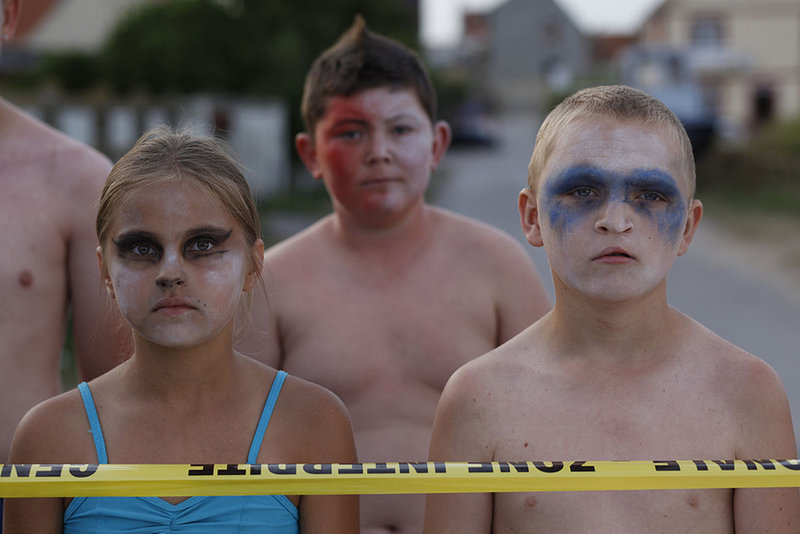
Like many American cinephiles, I first became aware of Bruno Dumont when his breakthrough feature, the infernal police procedural Humanite, was released in 1999. That disturbing epic about the investigation into the rape and murder of an 11-year-old girl in a small town in northern France, tricked out with an austere visual style and philosophical underpinnings, immediately struck me as one of the defining films of the late 20th century. My subsequent encounters with Dumont’s work, backtracking to his first feature The Life of Jesus (1997) and moving forward with Twentynine Palms (2003) and Flanders (2006), caused my initial enthusiasm to dampen; what I perceived as Dumont’s obsession with rubbing the viewer’s nose in ugliness struck me as both morally dubious and monotonous, so much so that I never even bothered to catch the director’s last three films (2009’s Hadewijch, 2011’s Outside Satan and 2013’s Camille Claudel 1915). Li’l Quinquin, however, is so masterfully made, so alive and so surprisingly and delightfully off-the-wall, that it makes me want to fill in on what I’ve missed and reassess Dumont’s entire career. In many ways Li’l Quinquin marks a return to the subject matter of Humanite: it too begins with the discovery of a female corpse in a rural French village, and uses the subsequent police investigation into her murder (and subsequent murders) to paint a portrait of a unique social milieu while also offering philosophical inquiries into the relationships between community, humanity, culpability and evil. What’s new — and very welcome — to Dumont’s work here is an absurdist sense of humor that occasionally veers into outright slapstick comedy; where the ultra-serious Humanite drew critical comparisons to Robert Bresson, Andrei Tarkovsky and Pier Paolo Pasolini, Li’l Quinquin is closer in spirit to the David Lynch of Twin Peaks.

lilquinquin3

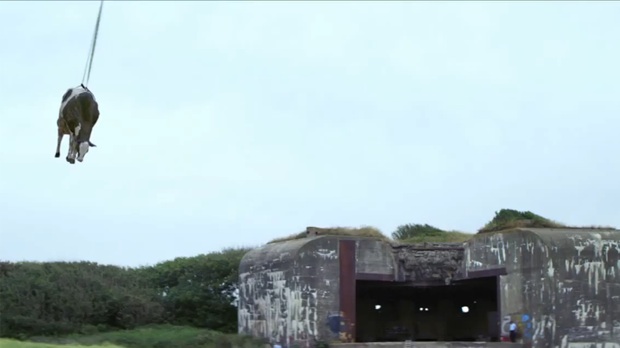
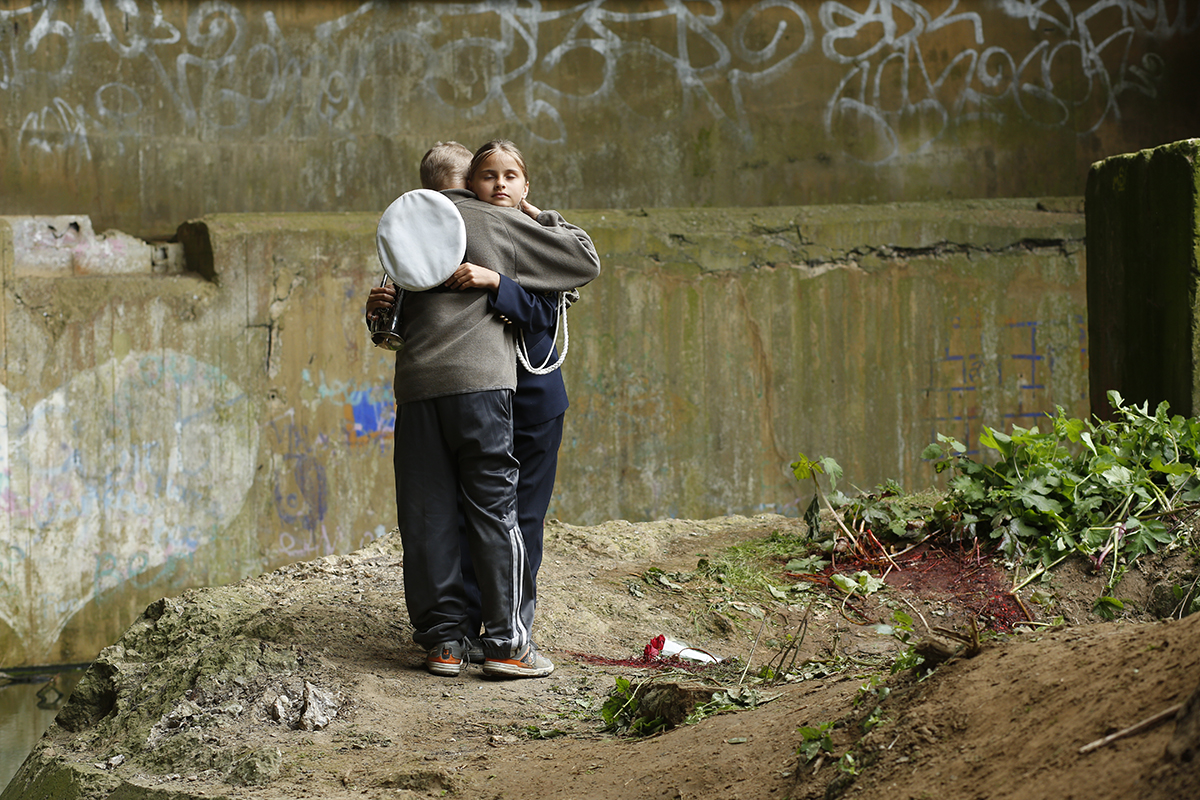
Li’l Quinquin begins with the unforgettable, borderline-surreal image of a dead cow being airlifted out of a WWII bunker by a helicopter (filming in his customary majestic long shots, Dumont apparently disregarded the notion of television aesthetics altogether). The police soon discover that the corpse of a woman has been stuffed inside of the cow and begin a criminal investigation. Dumont’s masterstroke is to show how these events unfold not primarily through the eyes of the police but rather through the eyes of the town’s children, specifically the titular character (Alane Delhaye), an altar boy who has a potty mouth, the face of a pugilist and a penchant for firecrackers. “Li’l Quinquin,” son of the local farmer “Pere Quinquin” Lebleu (Philippe Peuvion), has a girlfriend, the symbolically named Eve (Lucy Caron), and by allowing the plot to unfold mainly from the semi-comprehending vantage point of these semi-innocent characters, Dumont essentially splits the duality inherent in Humanite‘s childlike cop, Pharaon de Winter, into two separate realms: that of the town’s adults and that of the town’s children. The main police detective in Li’l Quinquin, Commandant Van der Weyden (Bernard Pruvost) — named, like de Winter, after a famous Flemish painter — pointedly despises children, whom he is continually shooing away from crime scenes. Without resorting to caricature, Dumont paints Van der Weyden and his partner Lieutenant Carpentier (Philippe Jore) as not only hilariously bumbling and incompetent but also, even more hilariously, as the two least photogenic cops in film history: the former has a toothbrush mustache and uncontrollable facial tics, and looks “rumpled” in a way that recalls Albert Einstein more than Columbo, while the latter is a beanpole who appears to be missing most of his teeth. Dumont’s knack for casting and eliciting remarkable performances from non-actors with striking physiognomies has never served him better than here.

P'tit Quinquin

Without giving any more of the plot away, the tension Dumont creates between the adult world and the children’s world in Li’l Quiquin handsomely pays off about half-way through the series when he introduces themes of racial and religious intolerance. One way Dumont bends the television format to his advantage is by using his expansive running time to show how prejudice is the result of social conditioning that can pervade an entire community (and the fact that one crucial scene takes place during a Bastille Day celebration indicates that Dumont means for his location to function as a microcosm of France as a whole); an idea that may have seemed trite in a two-hour movie seems fleshed out in its full thematic complexity at three and a half hours — and this is a series, keep in mind, that is still chock-full of narrative loose ends (rumor has it that a second season is on the way). Li’l Quinquin also strikes me as by far the most optimistic of Dumont’s films that I’ve seen in what it has to say about people; although very little is cut and dried in terms of “messages” one can take away from Dumont’s work, I think he wants to use the framework of the police procedural here in order to make viewers think about moral choices and how tenderness and beauty can flower even in the unlikeliest places and under the unlikeliest of circumstances (i.e., amidst both banality and evil). Dumont himself recently spoke, somewhat mysteriously, about the surprising interrelationships of comedy, irony and optimism in the series: “I believe irony is what is going to save us. That is also one reason why I really enjoyed making a comic film now. Comedy is the road for irony and it’s also the road for hope. Even if we know that Li’l Quinquin is only a small beast growing up to be a big one, there is some irony in knowing this. We also know that there is the possibility that he could become a good man. And he is a good lover. Really, irony is my optimism.” If we are living in a “golden age” of television, as countless cultural critics believe, Bruno Dumont’s masterpiece is proof positive that this golden age is not restricted to America alone.

You can check out the trailer for Li’l Quinquin via YouTube below:


Happy New Year from White City Cinema

phantom


Top Ten Films of 2014

This is not a list of the best new movies I saw in 2014. If that were the case, Jean-Luc Godard’s astonishing Goodbye to Language, which I traveled to Madison, Wisconsin to see in 3D in November, would have unquestionably been number one. (Given that it is scheduled to open at the Siskel Center in January, Goodbye to Language will almost certainly be topping my list of the best films of 2015.) Instead, here are my 10 favorite new films to first play Chicago over the past calendar year, followed by a list of 40 runners up.

10. Jealousy (Garrel, France) - Siskel Center. Rating: 9.4
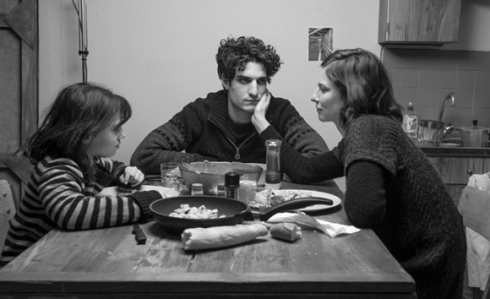
Jealousy

The latest realist drama from post-New Wave French director Philippe Garrel, again starring his talented son Louis, possesses the stark beauty and simplicity of a masterful line drawing. Although the story is set in the present day, the premise is that Louis plays “Louis,” a character based on his own paternal grandfather, a struggling theatrical actor who leaves his wife, Clothilde (Rebecca Convenant), and young daughter, Charlotte (Olga Milshtein), for another woman. What goes around comes around when the other woman, the failed actress Claudia (Anna Mouglalis), cheats on Louis with another man. Louis soon descends into suicidal despair but the muted way director Garrel and cinematographer Willy Kurant (Godard’s Masculin Feminin) capture it all in dispassionate black-and-white medium shots makes the drama feel all the more heartbreaking. Garrel’s films have always felt less formulaic and more commendably life-like than the work of most other directors and, in this regard, Jealousy is one of his best and most touching achievements.

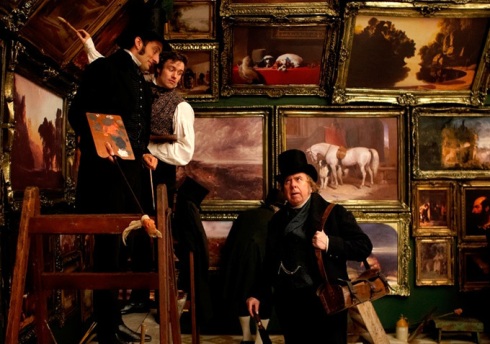
9. Mr. Turner (Leigh, UK) - Landmark. Rating: 9.1
turner

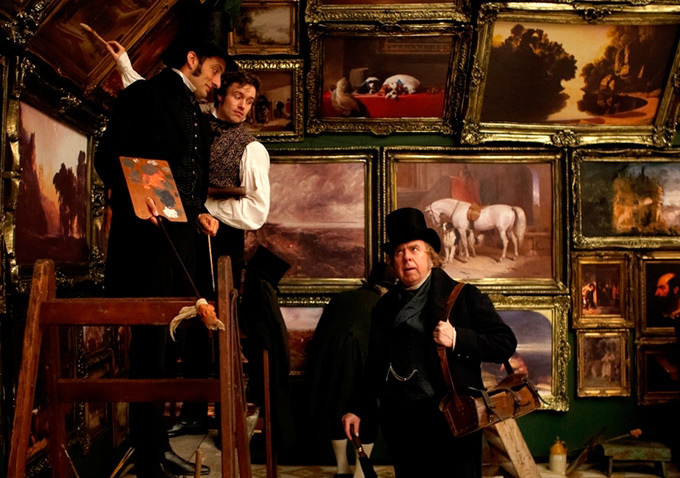
Mike Leigh’s brilliant, quasi-secretive methods of constructing his unique brand of cinema — his completed screenplays apparently grow out of intensive improv-workshops with his actors — always yield spontaneous and dynamic results but there is something particularly fascinating about seeing his style applied to period pieces (as in Vera Drake, Topsy Turvy and now this); Leigh has a way of making the past feel less mummified than other directors. Mr. Turner is a biopic of 19th-century British painter J.M.W. Turner, a master famed for the diffused light in his seascapes, and focuses on the last couple decades of the artist’s life. Turner is inhabited by Timothy Spall, a terrific character actor with a stout physique and weak chin, who tears into his biggest movie role with aplomb — he and Leigh conceive of Turner as a larger-than-life, eccentric and self-centered prick whose face is twisted into a permanent grimace and who communicates with those around him, when at all, primarily through grunts, groans and other guttural utterances. The film essentially asks the age-old question of how an artist can be so sensitive to the beauty of nature while also being so insensitive to the people around him. While it’s not likely that Leigh identifies with Turner in the manner of Hayao Miyazaki and the protagonist of The Wind Rises (see capsule below), this is clearly a deeply felt work through which the filmmaker does convey personal feelings — perhaps nowhere more than in the unflattering and satirical portrait of a pretentious art critic. Leigh’s stock company of actors (Karina Fernandez, Lesley Manville, Ruth Sheen, Peter Wight, etc.) turn up to do creditable work but this is Spall’s show all the way.

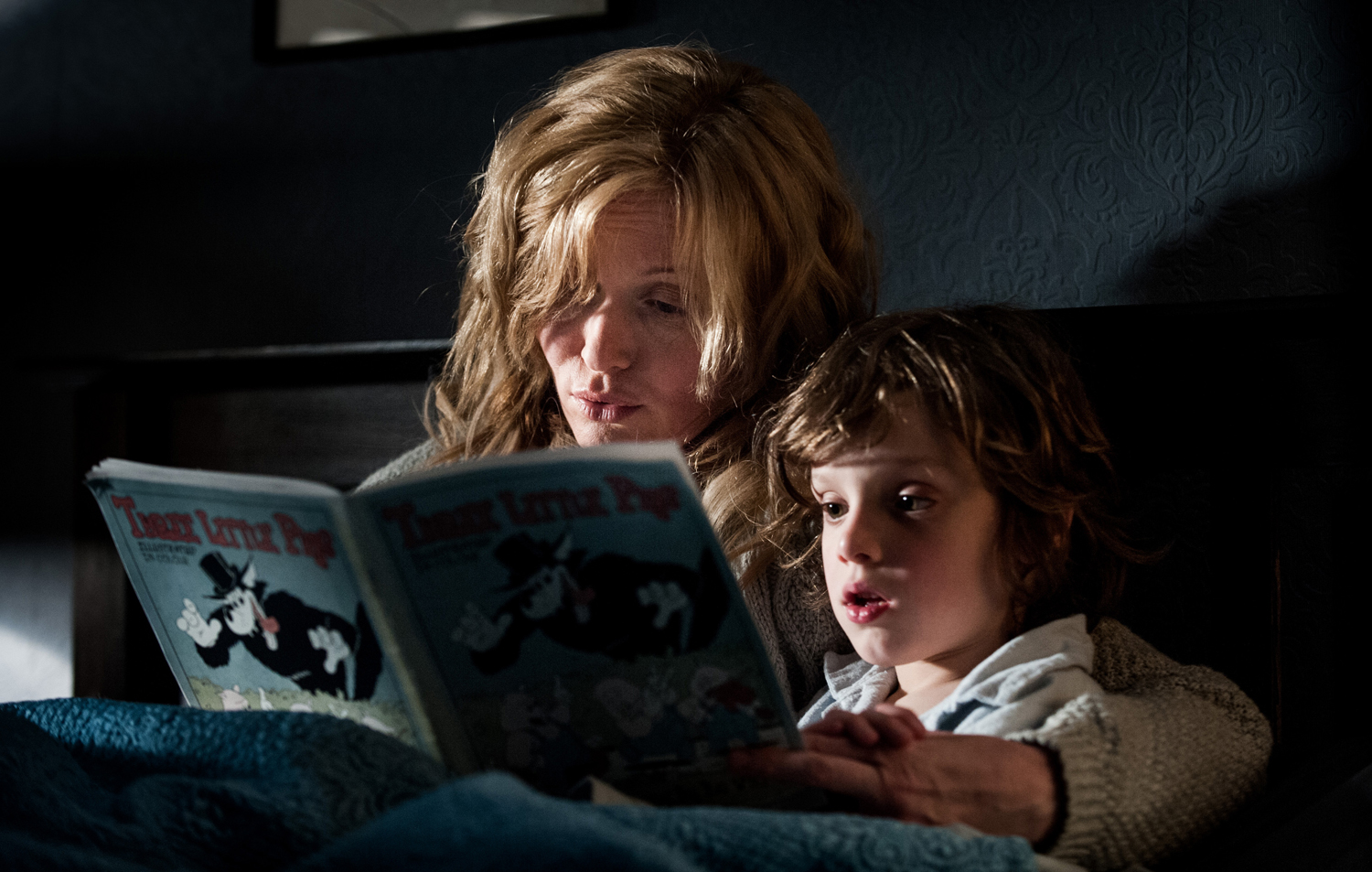
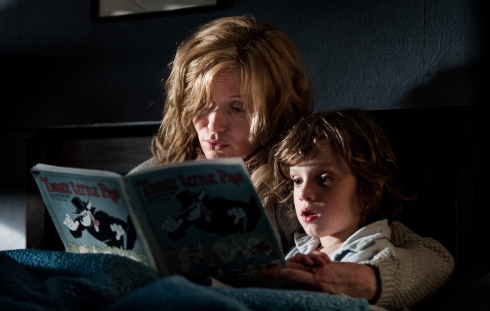
8. The Babadook (Kent, Australia) - Chicago International Film Festival. Rating: 9.2
babadook

The Babadook has racked up praise ever since its Sundance debut at the beginning of the year, although much of that has been of the “faint praise” that damns variety. This is hardly surprising given that it belongs to the still-disreputable horror genre. I have no qualms, however, about calling it a bona fide masterpiece. Not only is Aussie writer/director Jennifer Kent’s chiller highly original in conception, genuinely scary and visually striking, it’s also very beautiful as a character study. The complex dynamics of the mother-son relationship at its core — and the way this relationship is so obviously and refreshingly sketched by a female hand — has made the film continue to resonate with me over the past couple months since I first saw it. I am particularly grateful for the enormously satisfying ending in this regard; without giving anything away, please consider how the central location of a cellar might function as a metaphor for a compartment of the human mind in which the protagonist has “locked” certain thoughts and feelings away. Like all of the best monster movies, this is really about monsters from the id. Both Essie Davis (who deserves to go on to Naomi Watts-like fame) as a grief-stricken mother and Noah Wiseman as her psychologically disturbed son give incredible performances. More here.

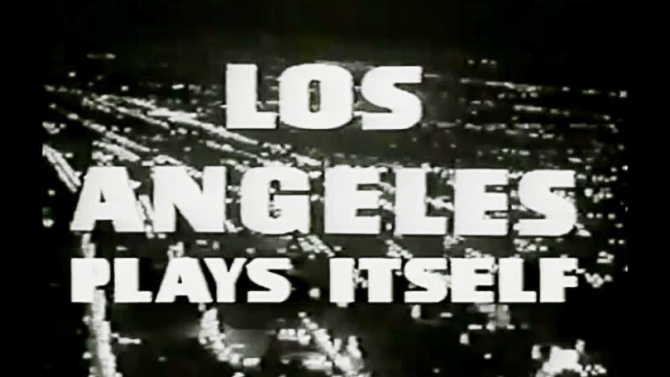
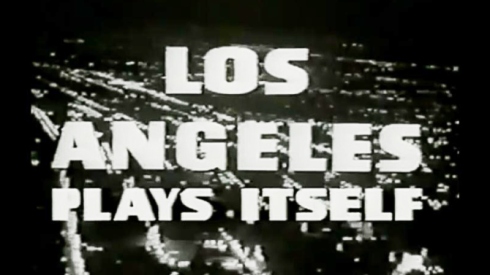
7. Los Angeles Plays Itself (Anderson, USA) - Music Box. Rating: 9.3
losangeles

The “video essay” — you know, someone edits together clips from a bunch of different movies and then talks over them? — has become a viable and popular form of film criticism in the social media age  This form was practically invented by filmmaker, critic and teacher Thom Anderson with his 2003 masterpiece Los Angeles Plays Itself, a three-hour essay that consists almost entirely of clips from movies shot in Los Angeles. The excerpts range rom the silent era through the 21st century and are organized into three roughly hour-long chapters: “The City as Background,” “The City as Character” and “The City as Subject.” The result contains fascinating and highly subjective insights into architecture, sociology and film form; one of Anderson’s key arguments is that Hollywood has never been comfortable portraying itself realistically in the present, preferring instead the revisionist past (e.g., L.A. Confidential) or the dystopian future (e.g., Blade Runner) — while minority independent filmmakers (e.g., Kent McKenzie, Charles Burnett, etc.) have, by contrast, always been up to the task. Los Angeles Plays Itself has regrettably always been hard to see do to its dubiously legal status as a potentially copyright-infringing work. After Rodney Ascher’s popular but terible Room 237 recently set a precedent for feature-length movies using clips in the name of fair use, however, Cinema Guild has finally seen fit to give Anderson’s film a proper release. Anderson has slightly re-worked it for the occasion, adding a few new clips (including, appropriately, Mulholland Drive) and upgrading most of the old ones from VHS to Blu-ray quality. The final result thankfully played around the country theatrically — including a single night at Chicago’s Music Box Theater — in advance of its official home video debut.

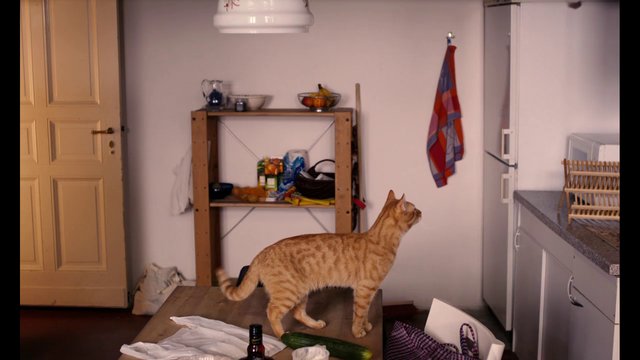
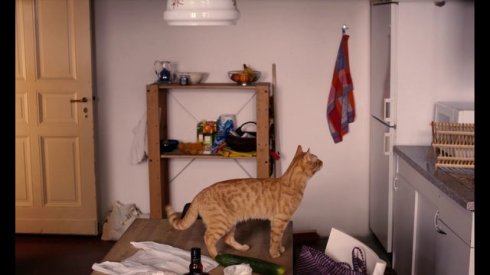
6. The Strange Little Cat (Zurcher, Germany) - European Union Film Festival. Rating: 9.4
strange

Swiss director Ramon Zurcher’s startling first feature, alternately funny and unsettling, is one of the finest German films in recent years, as well as one of the best debut features by anyone. Confined almost entirely to a single apartment-building setting, it concerns the gathering of an extended family over the course of a single day. In my original capsule review from when it played the Siskel Center’s European Union Film Festival, I compared The Strange Little Cat favorably to Jacques Tati’s Play Time (praise from me doesn’t come much higher) in the sense that it isn’t about the characters so much as it is “really about space and time, order and chaos, images and sounds, and the relationships between people and objects. Everything seems precisely choreographed yet elements of chance undoubtedly come into play, especially where the family’s cat and dog (the ultimate non-actors) are concerned.” This film is so charming, so weird, so self-assured; I can’t wait to see what Zurcher, a former student of the great Bela Tarr, comes up with next. More here.

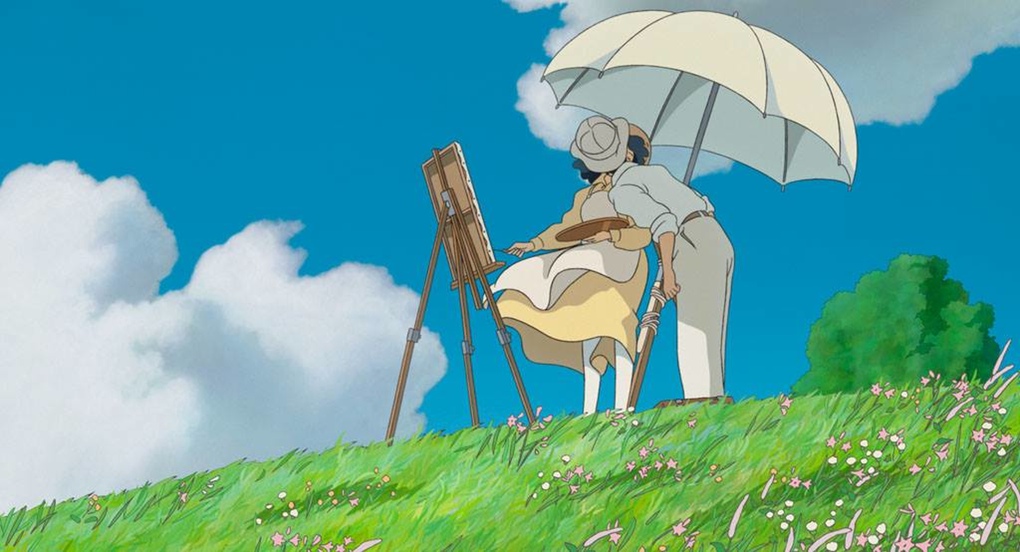
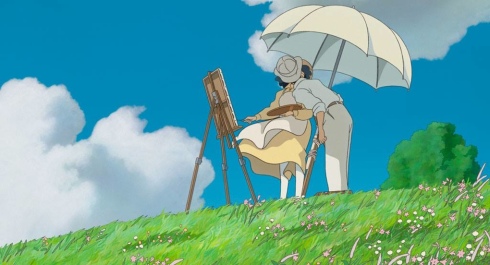
5. The Wind Rises (Miyazaki, Japan) - Landmark. Rating: 9.5
thewindrises

Legendary animator Hayao Miyazaki brought down the curtain on his estimable career when he announced that The Wind Rises, a biopic of aeronautical engineer Jiro Horikoshi and his first film aimed squarely at an adult audience, would also be his last. As seen by Miyazaki, Jiro’s life plays out against the moving backdrop of 20th century Japanese history, including such key events as the 1923 Kanto earthquake, the tuberculosis epidemic (represented by Jiro’s doomed romance with his tubercular wife Nahoko) and, of course, World War II. This latter aspect engendered controversy when some among the left in Japan condemned Miyazaki’s refusal to condemn Jiro for designing fighter planes during the war (though the fact that the film simultaneously alienated Japanese conservatives for being “anti-Japanese” is surely an indication that he was doing something right). Miyazaki instead chooses to portray Jiro as an apolitical dreamer caught in the jaws of history; the way the character’s fantasy life is placed on the same plane as reality — as evidenced by his repeated encounters with his hero, a famous Italian engineer — results in something mature, beautiful and profound, and adds up to a kind of self-portrait on the part of the director. Also, if you want to know why good old-fashioned hand-drawn animation feels more personal than its digital counterpart, look no further than here.

4. Timbuktu (Sissako, Mauritania) - Chicago International Film Festival. Rating: 9.5

timbuktu

Out of all the great new films I saw in 2014, none felt quite as vitally contemporary as this incredible true story of a group of radical Muslim terrorists taking over the title city in Mali. There are several deftly interleaved story threads here, all of which concern ordinary Malian citizens living under the yoke of a frightening new theocracy, and all of which manage to protest the insanity of religious extremism within a dramatic framework that feels completely naturalistic. Timbuktu also contains a vain of absurdist humor that rings bizarrely true, as in a scene where a group of jihadists debate the merits of their favorite soccer stars. Finally, writer/director Abderrahmane Sissako (Bamako) brings a real sense of visual poetry to his ‘Scope compositions; his feel for the desert landscapes of western Africa is as evocative here as John Ford’s was in his great late westerns. It is this effortless combination of docudrama and lyricism that ultimately lifts Timbuktu into the status of the transcendent. More here.

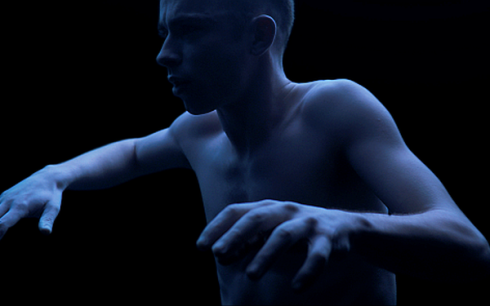
3. Under the Skin (Glazer, UK) - Landmark. Rating: 9.6
undertheskin2

I’ve been surprised by the number of people I’ve spoken to who were turned off by Jonathan Glazer’s mind-blowing horror/sci-fi/art film, starring Scarlett Johansson in her finest performance to date, seemingly because it deviates too much from what they expect from a horror, sci-fi, art or Scarlett Johansson film. Johansson daringly inhabits the role of an alien succubus who cruises contemporary Glasgow in a van at night — picking up, seducing and killing young men (most of whom are portrayed by non-actors initially filmed against their knowledge via hidden digital cameras). While having the alien function as a kind of mirror that reflects the basest instincts of men, Glazer’s movie may feel like an unusually cruel statement about humanity but this is more than counterbalanced by the director’s highly distinctive approach to constructing sound and image, which is so original that I felt exhilarated for days after first seeing it. I am especially fond of the seduction sequences, which imaginatively depict the alien’s victims willingly sinking into an inky black void, and Mica Levi’s otherworldly string-based score. Full review here.

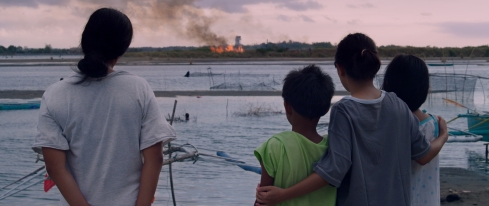
2. Norte, the End of History (Diaz, Philippines, 2013) - Siskel Center. Rating: 9.7
Norte

“We are at that point where no one owns history anymore. We make up our own histories.” The title of Norte, the End of History comes from these lines of dialogue, spoken during a philosophical rap session by a group of Filipino law students. One of them, Fabian (Sid Lucero), a recent college dropout, will soon commit a horrific double murder for no good reason. Writer/director Lav Diaz takes this premise from Fyodor Dostoevsky’s Crime and Punishment but puts it to the service of very different ends; I think he mostly wants to show how, over time, Fabian becomes increasingly tormented from within as a result of his actions, even while going unpunished by the law. Conversely, Joaquin (Archie Alemania), the family man who is unjustly charged with the crimes, not only retains but amplifies his original compassionate nature even after spending years in prison. This masterpiece, which at four hours and 15 minutes is actually Diaz’s shortest film to date, is also the first to receive distribution in the United States. One can only hope that Cinema Guild’s release will open the door to more of his works turning up on these shores in the future. More here.

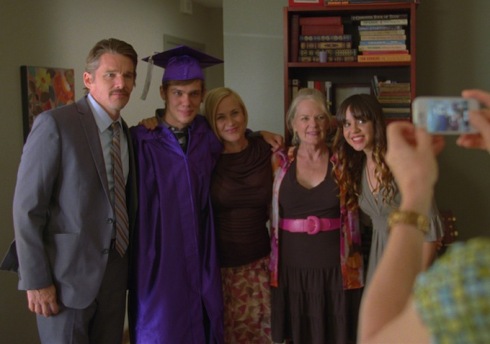
1. Boyhood (Linklater, USA) - Landmark. Rating: 10
boyhood1

Richard Linklater delivered his magnum opus with this 12-years-in-the-making intimate epic about one Texas boy’s life from the ages of six to 18. No mere gimmick, Linklater’s strategy of shooting an average of just 3-to-4 days per year has resulted in a profound meditation on the concept of time, as viewers are asked to observe not only the protagonist (Ellar Coltrane) grow and change over the years but also the actors playing his sister (Lorelei Linklater) and parents (Ethan Hawke and Patricia Arquette) — and are consequently invited to think about the passage of time in their own lives in the process. Linklater’s masterstroke was his decision to de-dramatize the material; many younger filmmakers could learn a thing or two from this film’s lack of external, dramatic action. In place of “plot,” he serves up a series of low-key but universally relatable scenes that movingly capture the essence of what it means to “grow up” in 2 hours and 46 minutes. Or, as Ethan Hawke put it in a recent interview, “What (Linklater)’s saying is that life doesn’t have to be hyperbolized. What we actually experience is good enough.” As always with this Linklater, there’s a great deal of humor and heart, but the film’s ingenious central conceit pushes Boyhood into the realm of a game-changer. Full review here.

Runners Up:

11. A Spell to Ward Off the Darkness (Rivers/Russell, Estonia) - European Union Film Festival. Rating: 9.1. More here.

12. The Tale of the Princess Kaguya (Takahata, Japan) - Siskel Center. Rating: 9.0

13. Nymphomaniac Vol. 1/Vol. 2 (Von Trier, Denmark/Germany/UK) - Landmark. Rating: 9.0. Full review here.

14. Winter Sleep (Ceylan, Turkey) - Chicago International Film Festival. Rating: 8.8. More here.

15. Exhibition (Hogg, UK) - European Union Film Festival. Rating: 8.8

16. The Blue Room (Amalric, France) - Siskel Center. Rating: 8.7. More here.

17. Force Majeure (Ostlund, Sweden) - Chicago International Film Festival. Rating: 8.7. More here.

18. Jimmy P. (Desplechin, France/USA) - Facets. Rating: 8.7. More here.

19. Journey to the West (Tsai, France/Taiwan) - VOD. Rating: 8.6. More here.

20. Gloria (Lelio, Chile) - Landmark. Rating: 8.5. Full review here.

21. Clouds of Sils Maria (Assayas, France) - Chicago International Film Festival. Rating: 8.5. Full review here.

22. Bird People (Ferran, France) - Siskel Center. Rating: 8.5. More here.

23. The Grand Budapest Hotel (Anderson, USA/Germany) - Wide Release. Rating: 8.4. Full review here.

24. The Iron Ministry (Sniadecki, USA/China) - Chicago International Film Festival. Rating: 8.4. More here. Filmmaker interview here.

25. Snowpiercer (Bong, South Korea) - Music Box. Rating: 8.4. Full review here.

26. Locke (Knight, UK) - Landmark. Rating: 8.4

27. Listen Up Philip (Perry, USA) - Music Box. Rating: 8.4

28. Viola (Pineiro, Argentina) - Doc Films. Rating: 8.3

29. Pretty Butterflies (Mereu, Italy) - European Union Film Festival. Rating: 8.3. More here.

30. Citizenfour (Poitras, USA/Germany, USA/Germany) - Landmark. Rating: 8.3

31. Land Ho! (Katz/Stephens, USA/Iceland) - Music Box. Rating: 8.2. More here.

32. We are the Best! (Moodysson, Sweden) - European Union Film Festival. Rating: 8.1

33. The Rover (Michod, Australia) - Century 12. Rating: 8.1

34. Manakamana (Spray/Velez, Nepal/USA) - Siskel Center. Rating: 8.1. More here.

35. Foxcatcher (Miller, USA) - Wide Release. Rating: 8.0

36. Of Horses and Men (Erlingsson, Iceland) - Chicago International Film Festival. Rating: 8.0. More here.

37. Top Five (Rock, USA) - Wide Release. Rating: 8.0. More here.

38. Miss Julie (Ullmann, Norway/Ireland) - Chicago International Film Festival. Rating: 8.0. More here. Filmmaker interview here here.

39. Metalhead (Bragason, Iceland) - Chicago International Movies and Music Festival. Rating: 8.0. More here.

40. The Longest Distance (Pinto, Venezuela) - Chicago Latino Film Festival. Rating: 8.0. More here.

41. Venus in Fur (Polanski, France) - Music Box. Rating: 7.9

42. Gone Girl (Fincher, USA) - Wide Release. Rating: 7.9

43. Starred Up (Mackenzie, UK) - Facets. Rating: 7.9

44. The World of Goopi and Bagha (Ranade, India) - Chicago International Movies and Music Festival. Rating: 7.9. More here.

45. Anina (Soderguit, Uruguay) - Chicago Latino Film Festival. Rating: 7.9. More here.

46. All the Women (Barrioso, Spain) - Chicago Latino Film Festival. Rating: 7.8. More here. Filmmaker here..
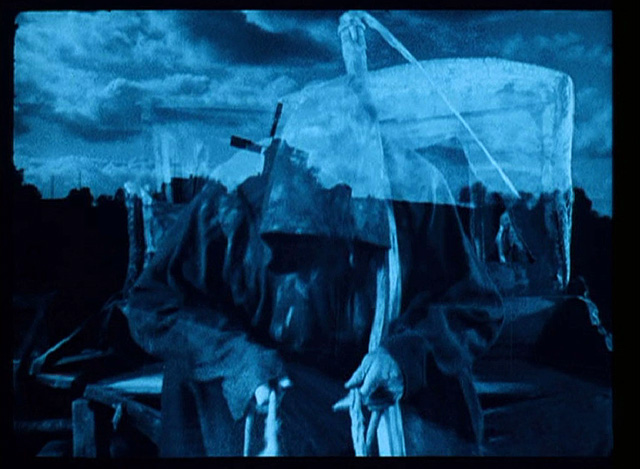
47. What Now? Remind Me (Pinto, Portugal) European Union Film Festival. Rating: 7.7
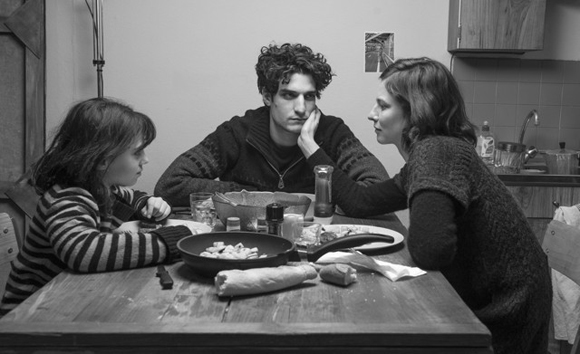
48. Only Lovers Left Alive (Jarmusch, USA) - Century 12. Rating: 7.7

49. It Follows (Mitchell, USA) - Chicago International Film Festival. Rating: 7.6. More here.

50. It Felt Like Love (Hittman, USA) - Facets. Rating: 7.5


Follow

Get every new post delivered to your Inbox.

Join 1,845 other followers

%d bloggers like this: